
 18914229323
Valve Manufacturing Explained: Forging, Casting, Machining,
Valves control the flow of liquids, gases, slurries, and steam in virtually every industrial process. From oil and gas pipelines to power plants, water treatment facilities, and chemical reactors, a single valve failure can cause downtime,
Hotline
Valves control the flow of liquids, gases, slurries, and steam in virtually every industrial process. From oil and gas pipelines to power plants, water treatment facilities, and chemical reactors, a single valve failure can cause downtime, environmental damage, or catastrophic safety incidents. That is why understanding valve manufacturing—and knowing how to evaluate a valve factory—is essential for procurement engineers, EPC contractors, and plant operators. This guide covers the full production chain, from valve forging and casting to machining, assembly, and testing, and explains how to select a manufacturing partner you can trust.
1. What Is Valve Manufacturing?
Valve manufacturing is the design, production, assembly, and testing of devices that regulate, isolate, or modulate fluid flow. The product range typically includes:
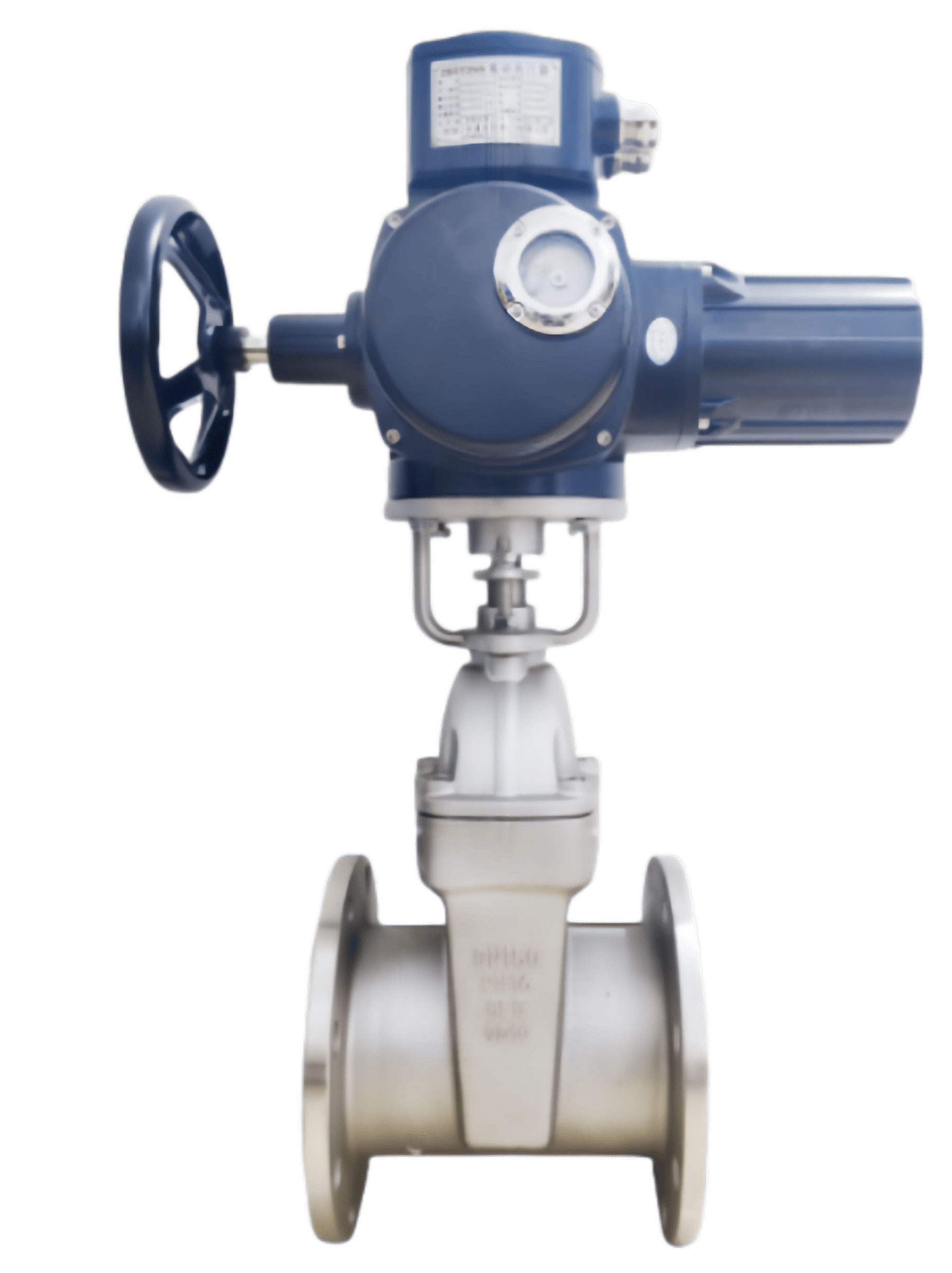
Gate valves — on/off isolation with minimal pressure drop
Globe valves — throttling and flow regulation
Ball valves — fast shutoff with low operating torque
Butterfly valves — large-diameter, lightweight isolation
Check valves — backflow prevention
Plug valves — abrasive and slurry service
Control valves — precise process modulation with actuators
Safety relief valves — overpressure protection
Each type requires different body designs, materials, sealing mechanisms, and testing standards.
2. Valve Forging vs. Valve Casting: Choosing the Right Body Process
Body production is the foundation of valve quality. Two primary methods dominate the industry.
Valve Forging
Forging shapes metal under high pressure using hammers or presses. Advantages include:
Superior mechanical strength — continuous grain flow improves toughness
No internal porosity — denser, more homogeneous structure
Better for high-pressure service — ideal for Class 900 and above
Preferred for critical applications — oil and gas, hydrogen, cryogenic service
Common forged materials include A105, F304, F316, F51 (duplex), and F91.
Valve Casting
Casting pours molten metal into molds to form complex body geometries. Advantages include:
Design flexibility — complex internal passages and shapes
Lower cost for large sizes — economical for large-diameter bodies
Suitable for intricate designs — valve bodies with complex porting
Common cast materials include WCB, WC6, WC9, CF8, CF8M, and CF3M. Quality depends heavily on foundry control—porosity, shrinkage, and inclusions must be minimized through proper gating, risering, and heat treatment.
Which Process Should You Specify?
High pressure, critical service → forging
Large diameter, complex geometry → casting
Severe corrosion → forged or cast duplex, super duplex, or exotic alloys
Cost-sensitive general service → casting with proper NDT
Many manufacturers offer both processes and can advise on the optimal choice based on pressure class, size, and application.
3. The Valve Manufacturing Process: From Raw Material to Tested Product
Step 1: Design and Engineering
Engineers work from industry standards such as API 6D, API 600, API 609, ASME B16.34, ISO 5208, and DIN. Design includes wall thickness calculation, flow coefficient (Cv) analysis, seat design, and actuator sizing.
Step 2: Raw Material Selection and Traceability
Material certificates (Mill Test Certificates) are mandatory. Traceability from heat number to finished valve is a core requirement for oil and gas, nuclear, and safety-critical applications.
Step 3: Body Formation
Depending on the specification, bodies are forged, cast, or fabricated from plate and pipe. Fabricated bodies are common for large-diameter and custom valve fabrication.
Step 4: Valve Machining
This is the most precision-critical stage. CNC lathes and machining centers produce:
Flange faces and bolt holes
Body and bonnet sealing surfaces
Seat and disc mating surfaces
Stem threads and packing bores
Ball and seat lapping for metal-seated ball valves
Tolerances often reach ±0.01 mm for sealing components. Surface roughness directly affects leakage performance.
Step 5: Welding and Overlay
For welded-body valves and hard-faced seats, certified welders apply weld overlay (Stellite, tungsten carbide) according to ASME Section IX. Post-weld heat treatment and NDT follow.
Step 6: Assembly and Testing
Assembly involves fitting the stem, disc, seat, packing, gasket, bonnet, and actuator. Testing is the final quality gate:
Hydrostatic shell test — body integrity
Hydrostatic seat test — seat leakage
Air or gas seat test — soft-seated valves
Backseat test — stem sealing
Torque and operation test — smooth cycling
Cryogenic or high-temperature test — special service
Non-destructive testing (NDT) such as radiographic, ultrasonic, dye penetrant, and magnetic particle inspection is standard for critical orders.
Step 7: Surface Treatment, Marking, and Packing
Shot blasting, epoxy coating, and anti-corrosion painting protect valves during storage and shipping. Marking includes size, pressure class, material, heat number, and traceability codes. Flange faces are protected with end caps.
4. How to Evaluate a Valve Factory
With thousands of suppliers worldwide, distinguishing a genuine manufacturer from a trading company requires careful investigation.
A. Manufacturing Infrastructure
A real valve factory should have:
In-house forging or casting partnerships
CNC machining centers
Certified welding stations
Assembly lines
Hydrostatic and pneumatic test benches
NDT equipment (RT, UT, PT, MT)
Painting and coating facilities
Request a factory video tour or schedule an on-site audit.
B. Certifications
Key credentials include:
ISO 9001 — quality management
API 6D, API 600, API 609 — valve-specific standards
API 607 / API 6FA — fire-safe certification
CE / PED — European market access
ATEX — explosion-proof applications
ISO 15848 — fugitive emission standards
NACE MR0175 / ISO 15156 — sour service
C. Testing Capability
Ask about test bench capacity, maximum pressure rating, and whether third-party inspection (TÜV, BV, SGS, Lloyds) is permitted. A weak test facility is a major red flag.
D. Engineering and Customization
Strong manufacturers offer custom valve fabrication, special materials, actuation integration (pneumatic, electric, hydraulic), and documentation support including GA drawings, IOM manuals, and material certificates.
E. Project References
Request references in your industry—oil and gas, petrochemical, power, water treatment, or mining. Experience with major operators or EPC contractors indicates higher capability.
5. Special Considerations for Critical Service
Oil & Gas Valve Supplier Requirements
Oil and gas service demands:
API 6D monogram for pipeline valves
Fire-safe certification
Fugitive emission compliance
Sour service material certification
Full traceability and documentation
High Pressure Valve Manufacturer Requirements
High-pressure applications require:
Forged bodies for Class 900 and above
Rigorous wall thickness verification
Hydrostatic testing at 1.5× design pressure
Enhanced NDT scope
Stainless Steel Valve Factory Capabilities
Stainless steel valves serve corrosive and hygienic applications. Look for:
Proper solution annealing and passivation
Material certification for 304, 316, 316L, duplex
Cleanroom assembly for pharmaceutical and food service
6. Factors That Influence Valve Manufacturing Cost
Body process — forging costs more than casting
Material grade — exotic alloys multiply cost
Pressure class — higher ratings require more material and testing
Testing scope — NDT and third-party inspection add cost
Actuation — electric and pneumatic actuators significantly increase price
Order quantity — larger volumes reduce per-unit cost
Certification level — API monogram, fire-safe, and SIL add cost
Always compare quotations on a normalized basis: material, pressure class, testing scope, certification, and warranty.
7. Frequently Asked Questions (FAQ)
Q1: What is the typical lead time for valve manufacturing?
A: Standard valves ship in 15–30 days. Custom-engineered or large-diameter valves may take 45–90 days depending on material availability and testing requirements.
Q2: How do I verify that a supplier is a real manufacturer?
A: Request a factory audit, equipment list, video tour, and sample test reports. Confirm that the business license scope includes manufacturing, not just trading.
Q3: What documents should accompany each valve?
A: Material test certificates, dimensional inspection reports, pressure test certificates, NDT reports, operation and maintenance manuals, and packing lists.
Q4: Can I order mixed valve types in one shipment?
A: Yes. Most manufacturers allow mixed orders, but minimum order quantities usually apply per size and type.
Q5: Is third-party inspection available?
A: Reputable manufacturers welcome third-party inspection from SGS, BV, TÜV, or customer-appointed representatives.
8. Common Mistakes to Avoid
Choosing on price alone — the cheapest quote often hides inferior materials or skipped testing
Ignoring certification validity — always verify certificate numbers with the issuing body
Skipping third-party inspection — for critical orders, independent inspection is worth the cost
Overlooking after-sales support — spare parts and technical assistance matter for long-term operation
Not clarifying test standards — specify the exact standard and acceptance criteria in the purchase order
Neglecting traceability — heat number traceability is essential for safety-critical service




TOP
18914229323