
 18914229323
The Valve Manufacturing Industry: Production Processes, Tech
Understanding Valve Manufacturing and Production The valve manufacturing industry forms the backbone of modern industrial infrastructure. Valves are essential components in countless applicationsfrom controlling the flow of oil and gas thro
Hotline
Understanding Valve Manufacturing and Production
The valve manufacturing industry forms the backbone of modern industrial infrastructure. Valves are essential components in countless applications—from controlling the flow of oil and gas through pipelines to regulating water in municipal systems and managing chemical processes in manufacturing plants. The valve production process requires precision engineering, rigorous quality control, and adherence to international standards to ensure safety and reliability in demanding environments.
The global industrial valve market is projected to grow significantly, driven by infrastructure development, energy sector investments, and industrial automation trends. Understanding the intricacies of valve manufacturing—from raw material selection to final testing—is essential for engineers, procurement professionals, and industry stakeholders.
The Valve Production Process: From Raw Materials to Finished Products
The valve production process involves several critical stages that transform raw materials into finished products capable of withstanding extreme pressures, temperatures, and corrosive environments. Each stage demands meticulous attention to detail and specialized expertise.
Material Selection
The process begins with selecting appropriate materials based on the valve's intended application. Common materials include:
Cast iron: Suitable for low-pressure applications with good wear resistance
Carbon steel: Offers strength and durability for high-pressure systems
Stainless steel: Provides excellent corrosion resistance for chemical and food processing
Brass and bronze: Ideal for plumbing and marine applications
Specialized alloys: Used for extreme temperatures, high pressures, or highly corrosive media
The seat, stem, and disk of valves must be machined to exact tolerances to fit and function correctly.
Valve Casting: Shaping the Foundation
Valve casting is one of the primary methods used to create the initial shape of valve components. This process involves pouring molten metal into a mold, where it solidifies into the desired form. Casting is typically used for complex shapes and large valves where machining from solid material would be impractical or cost-prohibitive.
Common casting methods in valve manufacturing include:
Sand casting: A versatile and cost-effective method suitable for a wide range of valve sizes and materials
Investment casting: Provides superior surface finish and dimensional accuracy for smaller, more intricate components
Die casting: Offers high production rates and excellent repeatability for high-volume valve components
Leading valve manufacturers employ advanced casting techniques to ensure consistent quality and minimize defects. Quality control during casting is critical—flaws such as porosity, inclusions, or cracks can compromise valve integrity and lead to failure in service.
Valve Forging: Enhancing Strength and Reliability
Valve forging is another essential manufacturing method, particularly for valves that must withstand high pressures and extreme conditions. Forging involves shaping metal through compressive forces, typically using hammers or presses, while the material is heated to a plastic state.
The advantages of valve forging include:
Superior strength: Forged components have a refined grain structure that follows the shape of the part, resulting in increased strength and resistance to fatigue
Improved reliability: The forging process eliminates internal voids and porosity that can occur in castings
Better material integrity: Forging produces components with consistent mechanical properties throughout
Forging is particularly important for high-pressure applications in the oil and gas industry, power generation, and critical industrial processes. Many valve factories maintain dedicated forging capabilities or partner with specialized forging suppliers to ensure the highest quality components.
Valve Machining: Achieving Precision Tolerances
Valve machining is the process that transforms rough castings or forgings into precision components that meet exact specifications. This is one of the most critical stages in valve production, as even minor deviations from design tolerances can lead to leaks, premature wear, or complete valve failure.
Machining operations in valve manufacturing include:
Turning: Used to create cylindrical surfaces on valve stems, seats, and bodies
Milling: Creates flat surfaces, grooves, and complex geometries
Drilling: Produces precise holes for connections and fasteners
Grinding: Achieves extremely fine surface finishes and tight tolerances on sealing surfaces
Threading: Creates threads for connections to piping systems
Modern valve factories employ Computer Numerical Control (CNC) machining centers that provide exceptional accuracy and repeatability. Advanced machining capabilities allow manufacturers to produce valves with extremely tight tolerances, ensuring reliable sealing and smooth operation.
Comprehensive Valve Manufacturing: Assembly and Testing
Beyond individual component production, complete valve manufacturing involves assembly, testing, and quality assurance.
Assembly Process
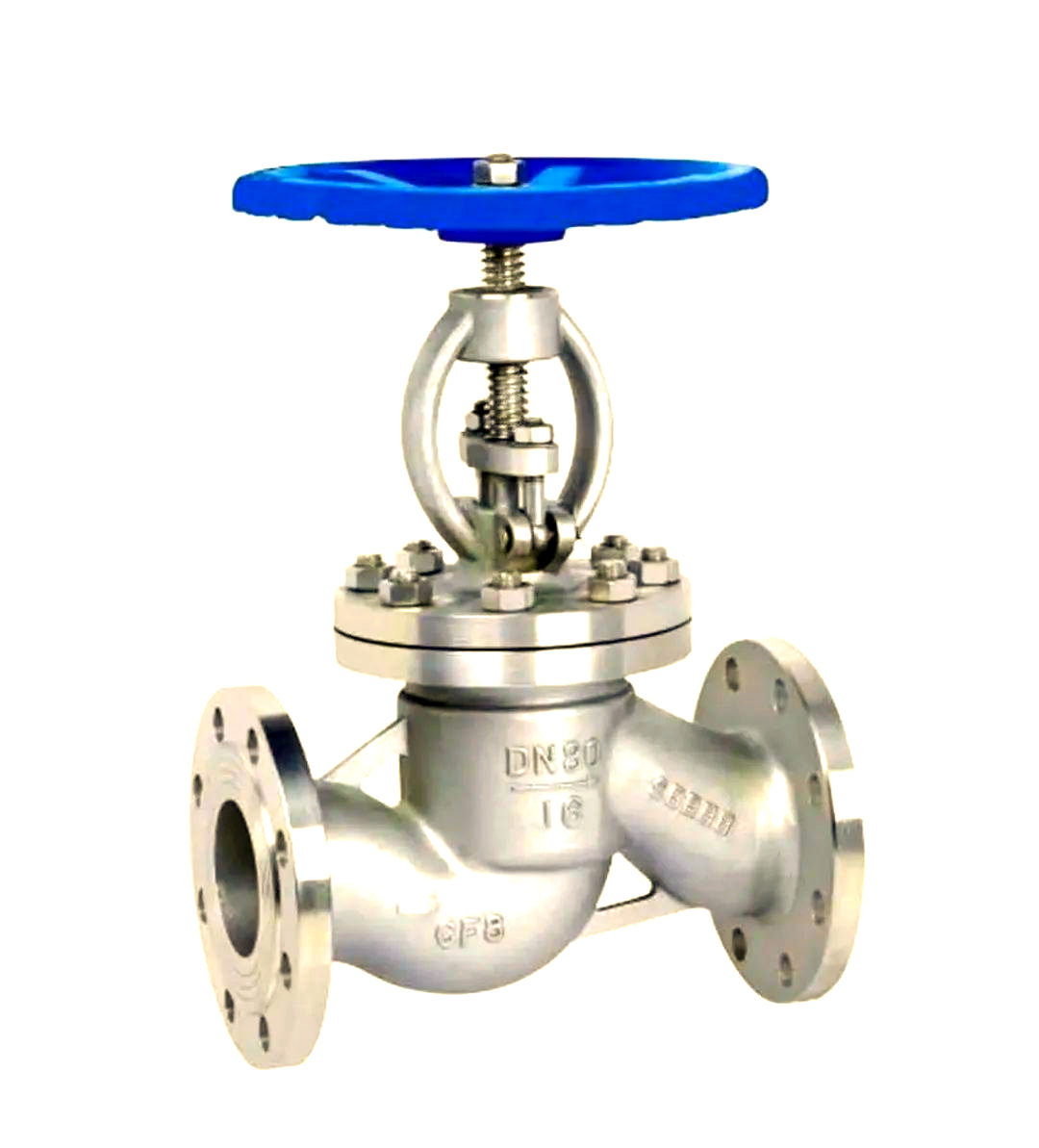
Valve assembly involves fitting together all components—body, bonnet, stem, disk, seat, packing, and actuator—into a functional unit. This requires precise alignment, proper torque on fasteners, and correct installation of seals and gaskets. Skilled assemblers follow detailed procedures to ensure each valve is built correctly.
Testing and Quality Assurance
Valve testing is a critical process to ensure performance, safety, and reliability before valves are used in piping systems. Common testing methods include:
Hydrostatic testing: Subjecting valve bodies or seats to high-pressure water to check for leaks
Pneumatic testing: Using air to uncover defects not detectable through water tests
High-pressure gas testing: Performed on safety-critical valves to detect defects difficult to identify with water or air
Functional testing: Verifying torque, actuation, opening and closing response times
For valves used in extreme environments, specialized tests are performed, including fire tests, cryogenic tests, and fugitive emissions tests. Applicable standards focusing on testing valves include API 598 and ISO 5208, which provide frameworks for consistent quality assurance.
The Valve Factory: Modern Production Facilities
A modern valve factory represents a significant investment in equipment, technology, and skilled personnel. Leading manufacturing facilities feature:
Automated production lines that improve efficiency and consistency
CNC machining centers for precision component manufacturing
Advanced testing laboratories with state-of-the-art inspection equipment
Clean assembly areas for contamination-sensitive components
Integrated quality management systems tracking every production stage
Top-tier valve factories maintain certifications such as ISO 9001, ISO 14001, ISO 45001, and API monograms (including API 6D, API 600, API 593, and API 607 for fire-safe applications). CE marking is also required for export to the European Union under the Pressure Equipment Directive.
The Valve Manufacturer Landscape: Global and Regional Players
The global valve manufacturing industry features a mix of international conglomerates and specialized regional manufacturers. Leading valve manufacturers include:
Emerson (US): A global leader in automation solutions and control valves
Flowserve (US): Specializes in pumps and valves for critical industrial applications
Cameron/Schlumberger (Global): Serves the oil and gas industry with high-performance valves
Kitz Corporation (Japan): A major manufacturer of industrial valves and fittings
Velan (Canada): Produces high-quality valves for power generation and industrial markets
Forbes Marshall (India): Well-established in industrial valves and steam engineering solutions
Many valve manufacturers operate globally, with production facilities strategically located near major industrial hubs and markets. Companies like Kirloskar Bros. Limited, producing high-quality butterfly valves, and Intervalve Poonawalla LTD, offering a wide range of ball, gate, butterfly, globe, and control valves, represent the strong presence of valve manufacturing in emerging industrial regions.
Emerging Trends in Valve Manufacturing
The valve manufacturing industry is evolving rapidly in response to technological advancements and changing market demands.
Digitalization and Smart Valves
Smart valves with integrated monitoring capabilities are becoming increasingly common. These valves incorporate sensors that provide real-time data on position, temperature, pressure, and flow. This enables predictive maintenance, remote monitoring, and enhanced operational efficiency.
Sustainable and Energy-Efficient Products
Sustainability is driving innovation in valve production. Manufacturers are developing valves with reduced leakage, lower actuation energy requirements, and extended service life. Environmentally friendly materials and manufacturing processes are also being adopted.
Localization and Nearshoring
Supply chain disruptions have prompted renewed interest in localizing valve production. In the Middle East, AMPO Arabia received a major order for up to 1,200 highly engineered valves to support Saudi Aramco's development projects, reinforcing the region's commitment to local manufacturing under the Saudi Vision 2030 initiative.
3D Printing and Additive Manufacturing
Additive manufacturing is emerging as a complementary technology to traditional valve casting and valve forging methods. 3D printing enables rapid prototyping of new designs and production of complex geometries that would be difficult or impossible to achieve with conventional techniques.
Advanced Materials
Research into new materials continues to expand the capabilities of valves. Ceramic valves offer exceptional wear resistance in abrasive applications. High-performance polymers provide corrosion resistance at reduced weight. Advanced alloys allow valves to operate in ever more extreme conditions.




TOP
18914229323